Cybersecurity: 24/7/365

Cybersecurity: 24/7/365
4MEDNET delivers managed IT, cybersecurity, HIPAA compliance, and AI automation solutions built exclusively for healthcare practices.



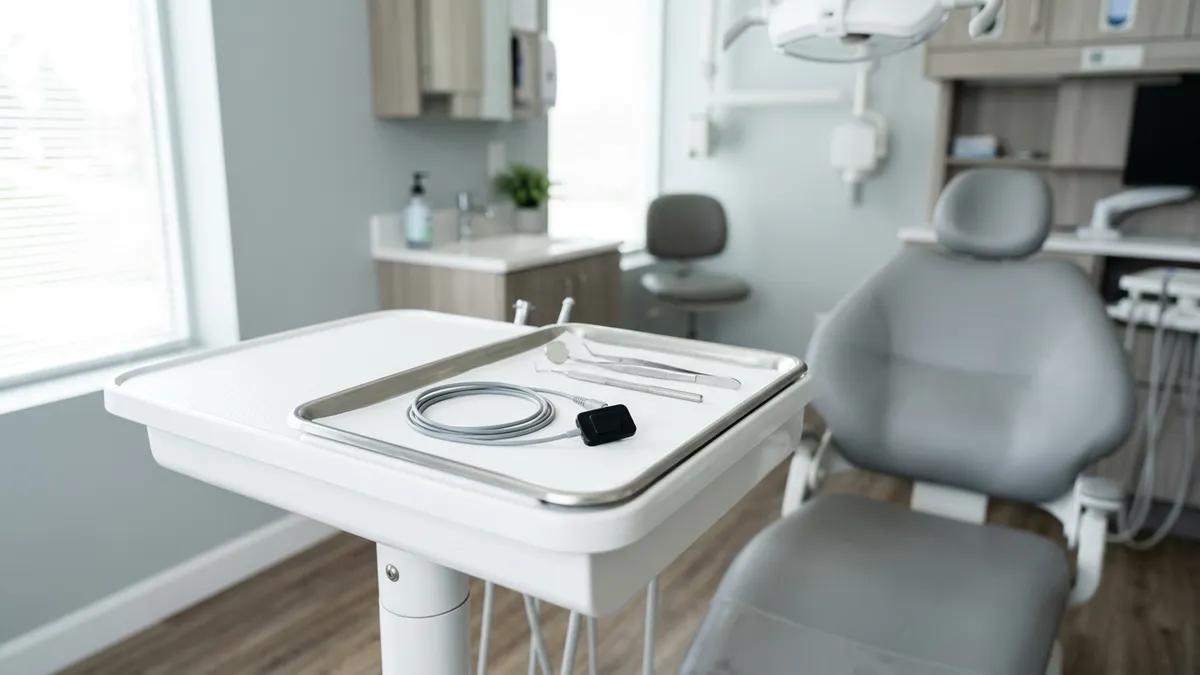
A patient sits in the chair while you review a set of bitewings. Software has already drawn boxes around three spots: a possible cavity, an area of bone loss and a shadow at a root tip. You agree with two of them.
That is dental AI x-ray analysis in practice. It does not read radiographs instead of you. It reads them alongside you, and it is now used widely enough that small dental practices are being asked whether they want it. This guide explains what it does, what FDA clearance actually means, and what to ask before you sign.
The software takes each dental x-ray your sensors already capture and runs it through an algorithm. These are deep learning models, a form of machine learning, trained on large sets of labeled dental radiographs. The image analysis then marks findings for the dentist to review.
Common detection targets include:
Some products also enhance the image itself, adjusting contrast so subtle findings are easier to see. Different products cover different image types. Some handle bitewing and periapical images only. Others add panoramic images and CBCT scans. Check which of your image types each product actually covers.
Artificial intelligence that helps diagnose disease from a medical image is a medical device, so these products need FDA clearance before they are marketed in the US. Two early clearances show what that clearance covers.
Overjet's Dental Assist received what the company described as the dental industry's first FDA clearance for AI on May 20, 2021, for measuring bone levels. Pearl's Second Opinion was cleared on March 4, 2022 (K210365). It helps detect caries on periapical radiographs of permanent teeth, in patients 12 and older, as a second reader.
Two details in that clearance matter for every product you look at.
Vendors have added clearances since, covering more findings and image types. Ask for the clearance numbers and read the indications yourself in the FDA's public 510(k) database.
No, and the clearances say so. These tools are cleared for use by dental professionals, as part of dentistry as you already practice it. The software flags and measures. A dentist decides what is real, what needs treatment and what to watch.
Image quality matters as much as the software. The analysis works best on high-quality images; a cone cut, an overlapped contact or an underexposed sensor image produces weaker results, just as it does for a human reader.
Expect disagreements. The software will mark things you do not agree with and miss things you see. That is how a second reader is supposed to work. Treat the overlays as a prompt to look again, not as a verdict.
Dental AI tools typically connect to the imaging software or practice management system you already use. Images are sent to the vendor's service, analyzed, and returned as overlays in your normal viewer while the patient is still in the chair.
Before you buy, confirm three things:
Many dentists also use the overlays chairside. Showing a patient the marked image makes a finding easier to explain, which supports patient care and informed consent. Keep that honest: the overlay is a teaching aid, not proof.
Radiographs are protected health information. Sending them to an AI service puts that vendor inside your HIPAA obligations.
The imaging PCs themselves deserve attention too. They often run older software that sensor vendors are slow to update. Our guide to dental practice cybersecurity covers how to protect them. For judging an AI vendor's answers, see whether AI is HIPAA compliant.
Dental imaging AI is sold by subscription, usually per location, and the main vendors quote prices individually rather than publishing them. Costs vary with the number of operatories, the features you want and whether you have more than one office.
To compare fairly, ask each vendor for:
Get at least two quotes. Then decide what you are paying for: a second reader on every image, consistent periodontal charting, or a clearer conversation with patients. Each is a different reason to buy.
Treat it like any other vendor that handles patient data. Our guide to vendor risk management covers the review, and an AI policy for your practice sets the rules for how the team uses it.
Dental AI x-ray analysis is mature, FDA-cleared for specific uses, and practical for a small practice to adopt. It works best as what it was cleared to be: a second reader that makes you look again.
Want help evaluating vendors, connecting the software to your imaging systems, or securing the PCs it runs on? Our AI automation services and cybersecurity services work with dental practices on both.
Ready to take the next step? Explore our healthcare IT services, book a free consultation, or compare our plans.



Managed IT, cybersecurity, HIPAA compliance, and AI automation for healthcare practices. We keep your technology secure so you can focus on patient care.

4MEDNET.COM - Copyright 2026. All rights reserved.